Why you should embrace the DNF (did not finish) book
Giving yourself permission to stop reading a book you're not enjoying isn't a failure. For most readers, it's one of the better habits they can build.
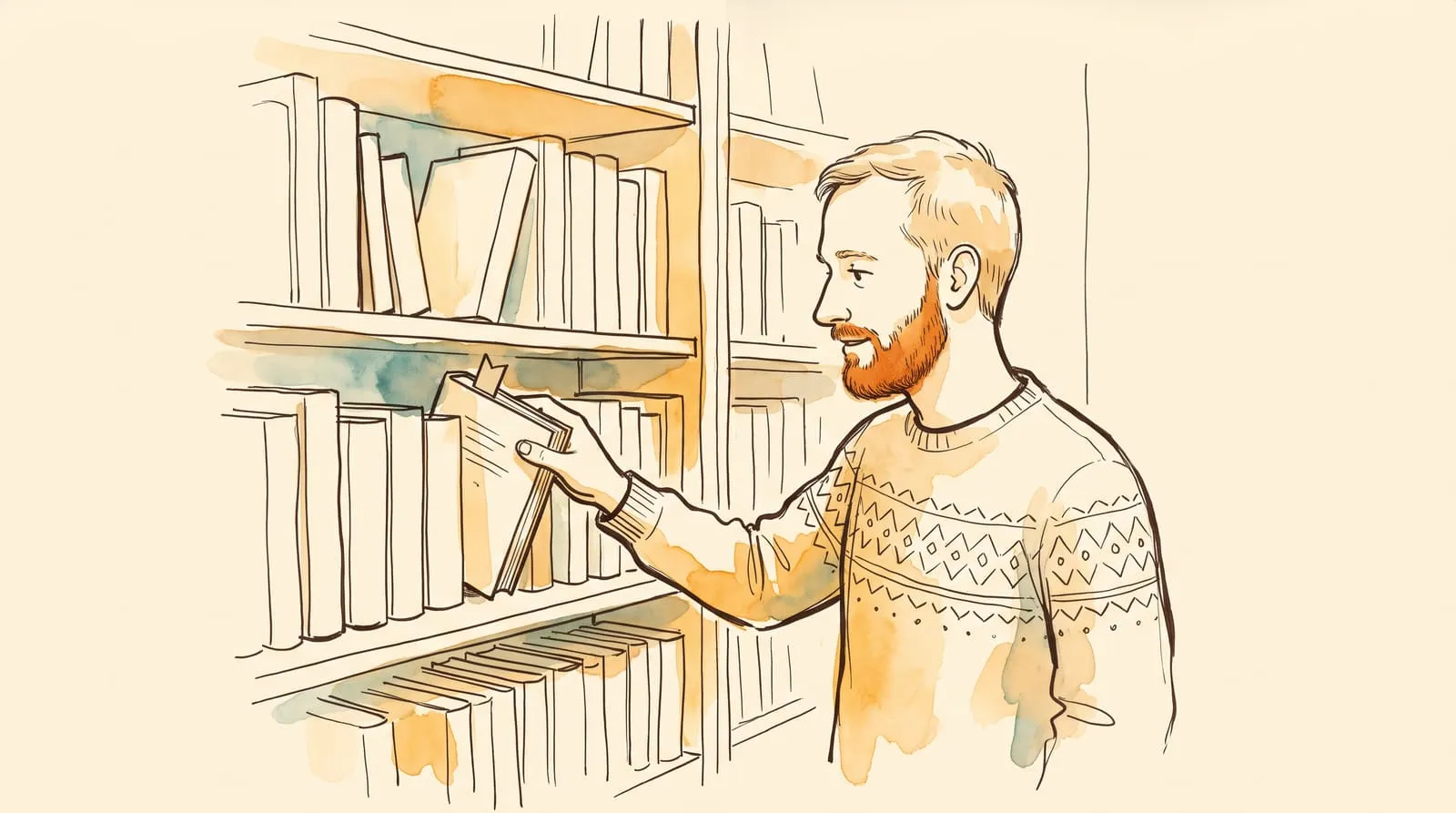
Most readers have left at least one bad book unfinished. Most of them still feel vaguely guilty about it.
Last spring I spent five weeks pushing through a novel I had stopped enjoying by page sixty. I finished it, out of some combination of stubbornness and sunk cost thinking, retained almost nothing, and felt faintly relieved when it was over. That feeling should have been a signal. It took me a while to recognise it as one.
This article is a case for giving yourself permission to DNF more books and for understanding why that habit might actually make you a better, happier reader.
What does DNF mean in books?
DNF stands for Did Not Finish. It describes a book you started but chose not to complete, whether you stopped on page 12 or page 312.
The term originated in sports, but the reading community adopted it, and it’s now a fully established piece of book culture vocabulary. You’ll see it in Goodreads shelves, BookTok captions, and reading journal entries everywhere.
A DNF is a conscious decision to stop. Increasingly, readers are treating it as a mark of self-awareness rather than defeat.
Where did the DNF trend come from?
The shift towards normalising DNFs is directly tied to the rise of BookTok and a broader cultural conversation about reading for pleasure versus reading as performance.
For a long time, readers felt pressure to finish every book they started. Partly because books are expensive. Partly because of the sunk cost fallacy (“I’m already 100 pages in”). And partly because somewhere along the line, not finishing a book became associated with being a quitter.
BookTok, with its emphasis on authentic, personality-driven content, has created space for a more honest conversation about reading. Creators started being open about DNFing hyped books. Readers started talking about how much more they enjoyed reading once they gave themselves permission to stop.
The psychology of finishing books you hate
There’s a well-documented cognitive bias called the sunk cost fallacy: the tendency to continue an investment of time, money, or energy because of what you’ve already put in, even when stopping would be the better decision.
Reading is a textbook case.
You’re 150 pages into a 400-page novel. You’re not enjoying it. But you think: I’ve already read 150 pages. I can’t stop now. So you push through another 250 pages of misery, feeling vaguely resentful the whole time.
What did you gain? The ability to say you finished the book. What did you lose? Five to ten hours you could have spent reading something you actually loved. Time spent reading a book you hate is time you’re not building the reading habit you want. It breeds a subtle but real aversion to sitting down with a book. The “reading is a chore” feeling isn’t about reading. It’s often about the specific book you’re forcing yourself through.
Signs it’s time to DNF a book
There’s no universal rule for when to DNF, but a few honest signals are worth paying attention to.
You’ve been “currently reading” the same book for three weeks
If you keep finding other things to do instead of picking it up, your instincts are telling you something.
You feel relief when something interrupts your reading session
Reading a book you love means being annoyed when dinner’s ready. The opposite feeling is diagnostic.
You keep checking how many pages are left
Not out of curiosity. Out of desperation.
You’ve lost the thread and don’t care enough to reread
You realise you’ve read five pages and retained nothing, and the thought of rereading them fills you with dread.
You only feel obligated to finish it
Ask yourself honestly: would I keep reading this if I had nothing else to read? If the answer is no, obligation is all that’s keeping you there.
None of these are moral failures. They’re just information.
What DNFing actually teaches you about yourself
There’s an underrated benefit to stopping books that aren’t working: it sharpens your sense of what you actually like.
When you force yourself through books you don’t enjoy, you tend to have only a vague sense of your own taste. When you start dropping books the moment they stop working for you, patterns emerge quickly. You notice that you always DNF books with multiple POV characters, or that you never DNF literary fiction but frequently abandon thrillers after the first act. You start to understand your own taste precisely, and that makes you dramatically better at picking books you’ll love.
DNFing is, paradoxically, one of the best ways to read more, because the habit survives when the daily ask stays enjoyable; that is the same logic behind the 66-day rule for building a reading habit.
The 50-page and 100-page rules
Two popular frameworks for DNF decisions.
The 50-page rule, popularised by Nancy Pearl, suggests giving a book 50 pages before making a call. It’s enough to get past the setup and into the story properly.
The 100-page rule is a looser version: give the book 100 pages, especially if it comes with strong recommendations or you know the genre takes time to build.
Neither rule is gospel. The point isn’t the number; it’s giving yourself a framework that removes the guilt from the decision. Once you’ve hit your threshold and you’re still not engaged, you’ve done your due diligence.
How to track your DNFs (and why you should)
One of the best things you can do for your reading life is track your DNFs alongside your finished books, not to flagellate yourself, but to learn from the pattern.
Note the title, the date you stopped, and a one-line reason. Over time, this becomes a genuinely useful record. You’ll see which genres consistently fail you. You’ll be able to tell friends you’ve actually tried four of an author’s books and abandoned all of them, rather than vaguely saying one “wasn’t for you.”
It also helps you avoid re-adding books you’ve already tried. A more common problem than most readers admit.
In Moth, DNF is a first-class status alongside Reading, Finished, and Want to Read. Those books stay in your library with their pages and sessions logged. Your reading history is complete rather than falsely curated.
Common objections to DNFing
“But I spent money on it.”
You already spent it. The money doesn’t come back whether you finish the book or not. The only question is whether you spend more time on it. Finishing a book you hate because you paid for it is paying twice.
“What if it gets better?”
Sometimes books do turn around. But you’re the only one who can assess whether the investment is worth it. If you have even a small amount of genuine curiosity about where the story goes, keep reading. If you’re only continuing in the hope that it might change, that’s the sunk cost fallacy talking.
“I’ll feel like a quitter.”
This is the one worth examining directly. The goal of reading is to engage, to learn, to feel something. If a book isn’t giving you any of that, you haven’t failed it. It’s failed you.
The bottom line
The best readers aren’t the ones who finish every book they start. They’re the ones who read voraciously, know their own tastes precisely, and spend their reading hours on books they genuinely love.
DNFing isn’t a flaw in your reading habit. For most readers who try it, it ends up being one of the more useful things they’ve done for their reading life.
Put the book down. Note the title and the reason. Start something else tonight.
Track your DNFs, your reads, and your entire reading life in Moth: the reading tracker that treats every book, finished or not, as part of your story. Download Moth from the App Store or Google Play.